
How to Spot Water Leaks in Columbus Basements: Key Indicators and Solutions for Homeowners
Early detection of basement water intrusion prevents structural damage, mold growth, and soaring repair costs in Columbus’s clay‐rich soils. At Rite Basement Waterproofing Columbus OH, we understand the unique challenges our local soil presents.
Homeowners who recognize visual signs, odors, and hidden leak indicators can safeguard their property value and indoor air quality by acting before minor moisture issues escalate into serious foundation cracks or flooding. Our team is dedicated to helping you protect your home.
This guide by Rite Basement Waterproofing Columbus OH outlines the most common visual and olfactory clues, root causes, concealed leak signals, immediate homeowner steps, professional detection methods, available waterproofing systems, and long-term prevention strategies. We specialize in comprehensive basement waterproofing Columbus OH solutions.
Key themes covered:
- Visual Indicators of Water Leaks
- Odor and Humidity Clues
- Causes of Basement Moisture
- Hidden Leak Signals
- Temporary Leak Management
- Professional Waterproofing Solutions
- Preventative Maintenance Tips
Common Visual Signs of Basement Water Leaks in Columbus
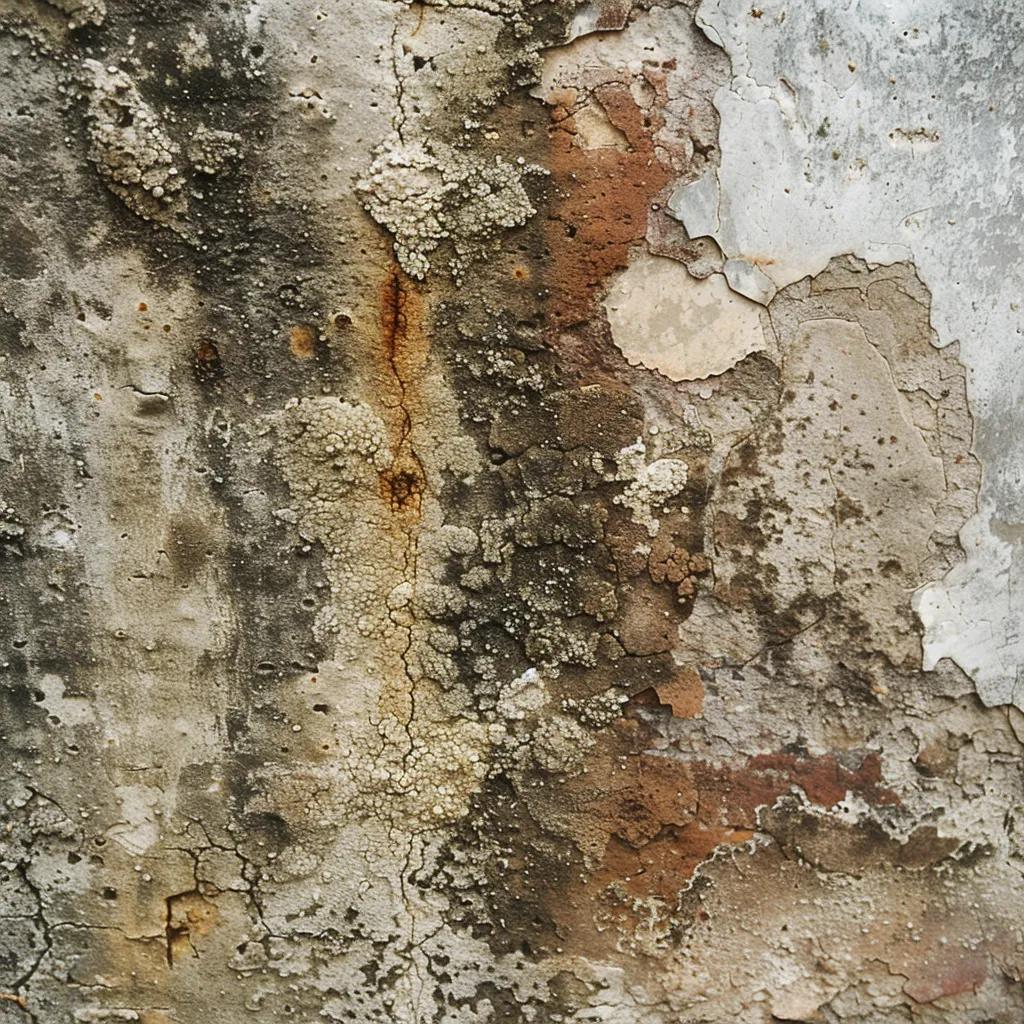
Basement water leak indicators encompass observable stains, crystalline deposits, structural deformations, and wall coatings detaching due to seepage. When rainfall accumulates against clay soil, hydrostatic pressure breaches foundation joints and manifests as these visual cues. Recognizing each sign early supports timely intervention and preserves basement integrity. Our experienced technicians are adept at identifying these subtle signs as part of our basement waterproofing Columbus OH services.
Water Stains and Efflorescence Patterns Indicating Basement Moisture
Before inspecting wall discolorations, understand that water migrating through masonry dissolves salts and redeposits them as efflorescence.
- Entity → Attribute → Value Wall Surface → Shows → White, powdery crystalline depositsMasonry Joint → Exhibits → Dark water stains along mortar linesConcrete Floor → Displays → Broad damp patches near perimeter
These patterns reflect water intrusion paths under hydrostatic pressure. Identifying salt encrustations and damp outlines signals moisture movement that requires waterproofing measures rather than simple cosmetic repair.
Cracks and Bowing Walls Revealing Water Intrusion
- Horizontal cracks near mid-wall level often result from lateral soil pressure.
- Vertical hairline cracks trace water seepage paths where foundation settlement occurs.
- Bowing walls shift inward by several inches under sustained hydrostatic load.
These deformations indicate active water pressure against the structure and necessitate professional crack sealing or wall bracing to prevent collapse.
Peeling Paint or Bubbling Walls as Indicators of Basement Leaks
- Paint Layer → Delaminates → Where vapor pressure builds behind impermeable coatings
- Wall Finish → Bubbles → In low-lying areas where water pools before evaporating
- Plaster Surface → Flakes → Along joints that channel subsurface moisture
These symptoms highlight persistent dampness and justify interior drainage systems or vapor barriers to manage water before refinishing walls.
Odor and Humidity as Indicators of Hidden Basement Water Leaks
Musty smells and humidity fluctuations function as olfactory and environmental flags for concealed moisture behind walls or under concrete slabs. When organic materials remain damp, mold spores proliferate and release distinct odors, guiding homeowners to hidden leak sources. This sensory detection complements visual inspection and leads directly to targeted moisture management.
Musty or Moldy Smells Signaling Moisture Problems
- Musty Smell → Indicates → Mold growth on wood, insulation, or cardboard
- Damp Odor → Signals → Prolonged moisture accumulation under flooring
- Sour Stench → Reveals → Bacteria feeding on organic residues in standing water
These olfactory clues direct attention to areas requiring dehumidification, surface cleaning, and leak sealing before mold spreads further.
High Humidity Affecting Basement Air Quality and Leak Detection
- Air Humidity → Rises → Above 60% leading to condensation on cool surfaces
- Relative Humidity → Fluctuates → After storms, often exceeding comfort thresholds
- Vapor Pressure → Builds → Behind drywall, causing hidden mold pockets
Monitoring humidity with a hygrometer pinpoints unstable moisture zones, prompting improvements to ventilation and initiation of leak isolation measures.
Primary Causes of Basement Water Leaks in Columbus Homes
Basement water intrusion stems from a combination of soil composition, surface drainage failures, and internal plumbing disruptions. Columbus’s clay-rich soils expand under rainfall, generating hydrostatic pressure that forces water through foundation cracks. Recognizing each cause helps homeowners select targeted waterproofing systems and avoid repeated water issues.
Hydrostatic Pressure from Columbus’s Clay Soil Causing Leaks
- Heavy Rainfall – leads to – Elevated groundwater levels
- Clay Soil – contributes to – Foundation cracks under lateral stress
- Hydrostatic Force – pushes – Water through micro-fissures
These relationships illustrate why interior drain tiles or exterior membranes effectively relieve pressure before it breaches basement walls.
Hydrostatic Pressure and Soil Composition
The expansion of clay-rich soils due to water absorption is a significant factor in basement water intrusion. This expansion creates hydrostatic pressure, which can force water through foundation cracks and joints. Understanding the soil composition and its interaction with water is crucial for effective waterproofing strategies.
Poor Drainage and Grading Leading to Basement Water Intrusion
Impact of Poor Drainage on Basement Water Intrusion
Improper drainage and grading can lead to water accumulation near foundations, increasing the risk of basement water leaks. When surface runoff is not directed away from the foundation, it can pool against the walls, eventually penetrating the basement. Proper drainage systems are essential for preventing water intrusion.
Plumbing Issues and Sewer Backups Affecting Basement Moisture
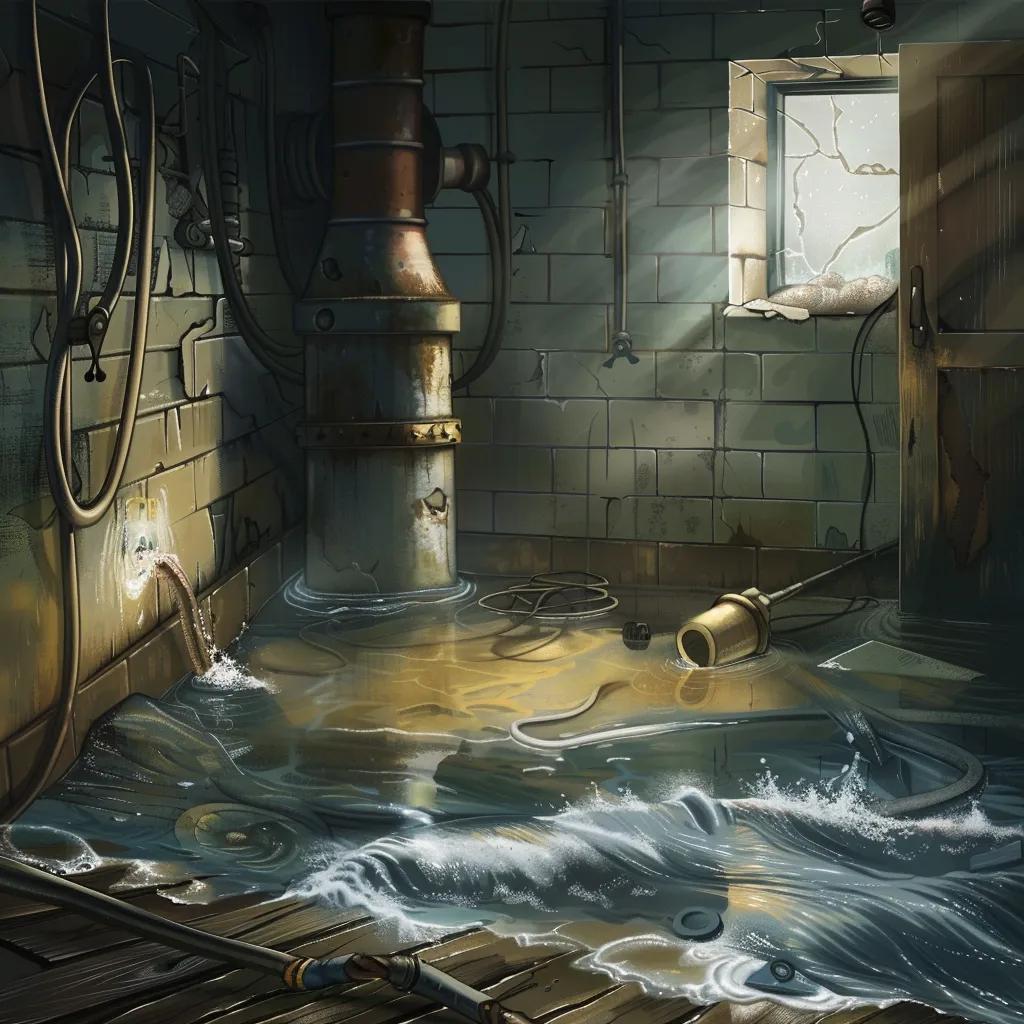
- Faulty Supply Lines leak under concrete slabs.
- Sewage Backups flood lower drains during municipal overload.
- Appliance Hoses rupture, releasing gallons near foundation.
These failures emphasize the importance of regular plumbing inspections and sewer line check valves to isolate basement fixtures from external water surges.
Suspecting Hidden Water Leaks in Your Columbus Basement
Hidden leaks manifest through anomalies in water consumption, unusual sounds, and subtle shifts in water pressure. Monitoring these indirect indicators uncovers concealed moisture breaches before visible damage appears, enabling prompt professional leak detection.
Signs of Hidden Leaks: Unexplained Water Bills or Low Water Pressure
- Rising Water Bills signal continuous flow through unseen cracks.
- Fluctuating Pressure reveals loss of supply through hidden leaks.
- Audible Drips behind walls indicate dripping supply lines.
Tracking utility usage and listening for water flow during off-peak hours provide critical clues to concealed plumbing failures.
Professional Leak Detection Services Identifying Concealed Water Damage
- Acoustic Sensors detect pipe vibrations from leaks behind walls.
- Tracer Gas methods reveal micro-cracks in pressurized lines.
- Video Inspection cameras inspect sewer and drain lines for blockages.
These targeted approaches minimize disruption while mapping leak locations accurately for efficient repair.
Advanced Technologies Used for Basement Leak Detection
Employing advanced detection reduces guesswork and directs waterproofing efforts precisely to the breach source.
Immediate Steps for Columbus Homeowners After Spotting a Basement Leak
Prompt, safe actions mitigate damage until professional waterproofing can be arranged. By shutting off water sources, containing flow, and protecting belongings, homeowners limit structural harm and mold dissemination.
Safely Inspecting and Temporarily Managing Basement Water Leaks
- Turn off the main water valve to halt supply line leaks.
- Wear protective gloves and boots before entering wet zones.
- Use wet-dry vacuums or buckets to remove standing water.
- Elevate vulnerable items onto shelves or platforms.
- Place towels or sandbags against seepage points to minimize inflow.
These immediate steps reduce moisture exposure and prepare the space for permanent waterproofing solutions.
When to Call a Professional Basement Waterproofing Service
If leaks persist after temporary measures or if structural signs appear, contacting Rite Basement Waterproofing Columbus OH ensures expert assessment and long-term repair. Our team provides free inspections, customized system design, and durable installations that eliminate water intrusion at its source. We are your trusted partners for basement waterproofing Columbus OH.
Basement Waterproofing Solutions Available in Columbus to Stop Water Leaks
Basement waterproofing encompasses interior drainage systems, exterior membranes, sump pump installation, and crawl space encapsulation. Each method targets specific leak pathways, preventing water entry and preserving basement health.
Interior Waterproofing Systems Protecting Against Basement Moisture
- Perimeter Drain Tile → collects → Seeped water under slab
- Sump Pump → pumps → Collected water outside the structure
- Vapor Barrier → blocks → Ground moisture from evaporating into air
These components work together to channel water away from foundations and maintain a dry interior environment.
Effective Exterior Waterproofing Methods for Columbus Homes
- Excavation and Membrane → apply → Waterproof coating to foundation exterior
- French Drain Installation → routes → Groundwater away from footings
- Grading and Soil Amendments → optimize → Surface runoff flow
By addressing leaks before they reach the wall, exterior methods reduce hydrostatic pressure and extend foundation lifespan.
Sump Pumps and Drainage Systems for Removing Basement Water
These systems provide reliable defense against basement flooding, especially during heavy storms.
Benefits of Crawl Space Encapsulation for Basement Leak Prevention
Encapsulating a crawl space seals foundation vents and floors with impermeable liners and integrated vapor barriers. This method:
- Reduces sub-slab moisture migration into living areas.
- Limits mold growth by controlling humidity.
- Improves HVAC efficiency by stabilizing ground temperature.
A sealed crawl space supports whole-house dryness and enhances structural longevity.
Preventing Future Basement Water Leaks for Columbus Homeowners
Long-term leak prevention relies on maintenance routines, optimal drainage, and value-boosting waterproofing improvements. Proactive measures ensure basements remain dry year-round and protect property health.
Seasonal Maintenance Tips for Keeping Basements Dry Year-Round
- Clean Gutters and Downspouts in spring and fall to ensure free flow.
- Inspect Foundation Perimeter after winter thaw for new cracks.
- Service Sump Pump Annually before rainy season to confirm functionality.
Consistent seasonal checks avert small issues from escalating into costly repairs.
Improving Home Drainage Systems to Reduce Leak Risks
- Extend Downspout Discharge at least 5 feet from the house.
- Install Surface Swales to channel runoff into storm drains.
- Add Rain Gardens or Dry Wells for on-site water absorption.
Enhanced drainage transforms yard runoff into a controlled resource rather than a basement threat.
Basement Waterproofing Increasing Property Value and Health
Benefits of Basement Waterproofing
Investing in professional basement waterproofing can significantly increase property value and improve indoor air quality. Waterproofing prevents mold and moisture, restores foundation strength, and controls humidity, leading to a healthier and more valuable home. These improvements can boost resale value and enhance overall living conditions.
These improvements reinforce homeowner confidence, reduce insurance claims, and position properties as high-quality, well-maintained investments.
Early detection and prompt action on basement water leaks protect Columbus homes against foundation damage, mold growth, and costly restoration. By recognizing visual stains, musty odors, and hidden leak signals, homeowners can apply temporary controls and engage Rite Basement Waterproofing Columbus OH for comprehensive, lasting solutions. Proactive maintenance and professional waterproofing systems work together to preserve property value, health, and structural integrity in Ohio’s challenging climate. Request a free inspection today to safeguard your basement against water intrusion.